

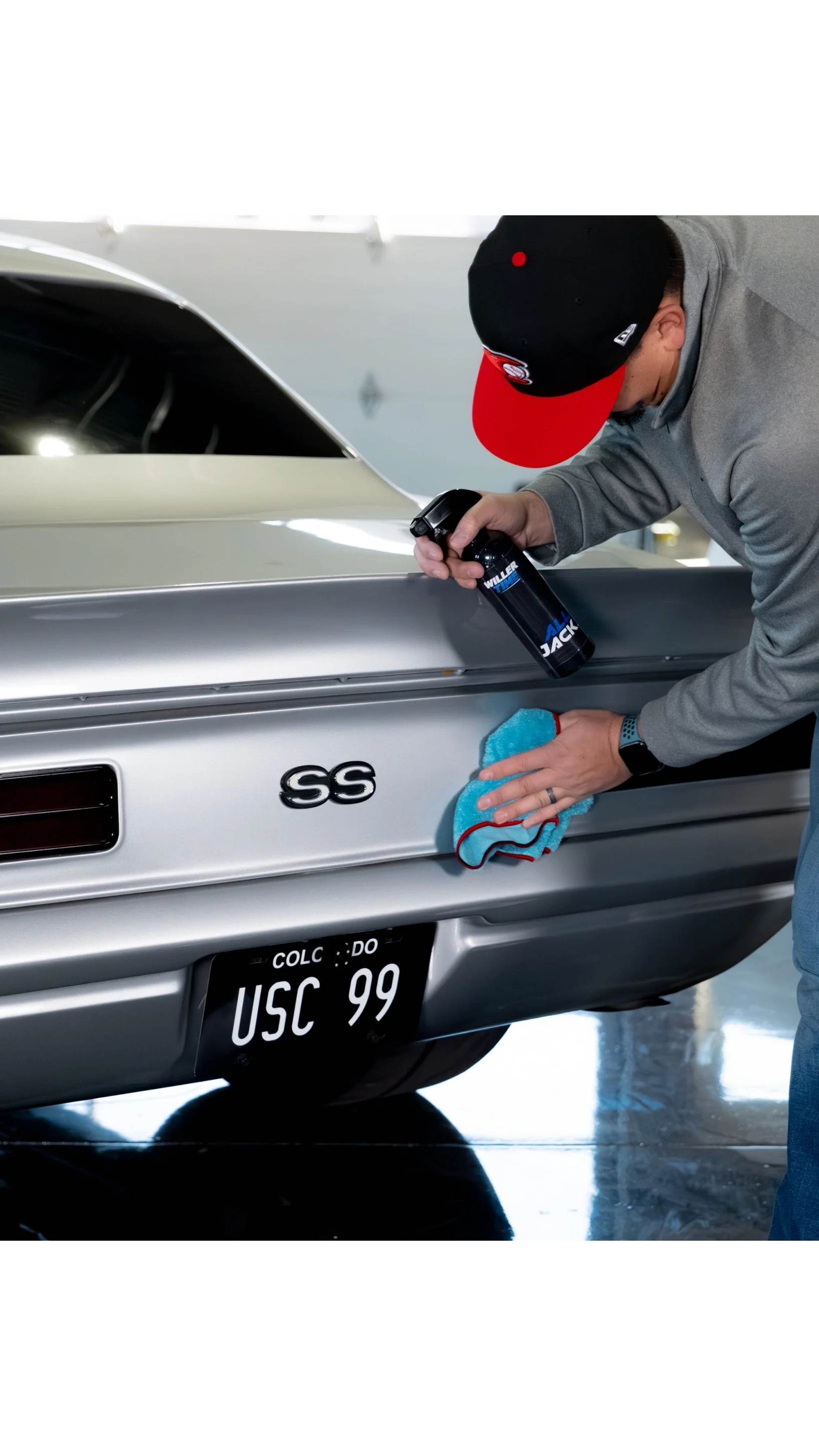
Key Takeaways
- A true mirror finish requires washing, decontaminating, correcting the paint through sanding or machine polishing, and finishing with the right protective product
- Clean-formula car waxes free of heavy fillers and artificial silicones bond directly to the clear coat, creating a deep reflection without haze or extra dust buildup
- Factory clear coats measure less than 2 mils thick, which is why machine polishing rather than sanding is the safer route to smoother, glossier paint on most daily drivers
Every car enthusiast knows the feeling of spotting a vehicle so glossy it looks like it just rolled out of a paint booth. That deep, glassy reflection has a name in detailing circles: the mirror finish. Getting there is not about luck or an expensive bottle alone. It comes down to a proven sequence of steps, paired with a smart choice of protection product at the end, the car care experts at Willer Time explain.
The Five Steps To A Mirror Finish
A mirror-like shine is really a measure of how cleanly a surface reflects light, something detailers call Distinction of Image, or D.O.I. A true mirror reflects at nearly 100 percent clarity, while dull or textured paint scatters light and blurs whatever it reflects. Getting factory or custom paint closer to that mirror-like clarity takes a layered process, not a single product.
The path to a mirror finish generally breaks down into five stages:
- Wash and decontaminate the paint with a pH-balanced soap, then use a clay bar with lubricant to pull embedded grit out of the clear coat.
- Wet-sand the surface if heavy texture or orange peel is present, working through progressively finer grits to smooth the top layer.
- Compound and buff using a machine polisher to level out sanding marks or surface defects until the paint turns glass-clear.
- Polish with a finishing product to erase any leftover haze or micro-marring from the compounding step.
- Protect the corrected surface with a quality wax, sealant, or ceramic coating to lock in the shine and guard against oxidation.
Skipping any one of these steps tends to show up later as swirl marks, hazy patches, or a shine that fades within weeks. Each stage builds on the last, so rushing the prep work usually means redoing it down the line.
Why Orange Peel Kills Reflection
Orange peel is the bumpy, dimpled texture that sometimes shows up on painted surfaces, and it is one of the fastest ways to ruin a reflection. Light hitting a smooth, flat surface bounces back in one clean direction, creating a crisp image. Light hitting a textured surface scatters in dozens of directions at once, which is why orange-peel paint looks cloudy or dull even when it is technically clean.
Sanding Custom Paint Versus Factory Clear Coat
Custom paintwork from a body shop or a high-end factory often carries a thick clear coat, thick enough to allow wet-sanding without cutting through to the base layer. Sanding this kind of paint flat, then buffing out the sanding marks, is exactly how show cars achieve that razor-sharp reflection. Factory paint tells a different story. Most daily-driver vehicles carry a clear coat measuring less than 2 mils thick, thinner than a standard sheet of printer paper. Aggressive sanding on that thin a layer risks burning through the clear coat entirely, which is why sanding factory paint to remove orange peel is generally not recommended.
Machine Polishing As The Safer Fix
Since sanding is off the table for most cars, machine polishing becomes the go-to method for improving smoothness and flatness on factory paint. A dual-action or rotary polisher paired with the right cutting or finishing pad can remove light swirls, water spot etching, and surface oxidation without touching the clear coat’s structural thickness. Testing a small “test spot” first, usually on the hood or trunk lid, helps confirm which pad and product combination will resolve the defects before working across the entire vehicle. Done carefully, this correction step can bring factory paint remarkably close to the clarity seen on sanded custom finishes.
The Case For Clean-Formula Wax
Once the paint is corrected, the last step decides whether that hard work actually shows. This is where the choice of protection product matters as much as the polishing itself. Clean-formula car waxes, free of heavy fillers, artificial silicones, or abrasive residues, bond purely to the clear coat instead of sitting on top of it as a masking layer, which is why more detailers point to them for a lasting result.
What Fillers And Silicones Do To Gloss
Traditional waxes sometimes rely on fillers and silicones to create an instant, glossy look, along with petroleum distillates that make the product easier to spread and wipe off. The trouble is that these ingredients can leave a slightly hazy film or attract dust and fingerprints faster than a cleaner formula would. A wax loaded with filler might look impressive fresh out of the bottle, but the reflection often lacks true depth, and the shine can fade unevenly as the filler wears away. Clean formulas skip that shortcut, letting the corrected paint itself do the work of reflecting light.
Keeping The Shine Between Washes
A mirror finish needs light, consistent upkeep to stay looking freshly detailed rather than dulling within a few weeks. A quick detail spray used between full washes helps lift dust, fingerprints, and light road grime without stripping away the wax or sealant layer underneath. Bi-weekly washing with a pH-balanced soap, paired with careful inspection of wash mitts and towels for trapped grit, prevents new swirl marks from undoing the polishing work already done. For stubborn spots like bird droppings or tree sap, a dedicated spot remover applied promptly keeps those contaminants from etching into the clear coat before they can be washed away safely.
A Mirror Finish Starts With Fewer Ingredients
The road to a true mirror finish runs through patience and process, not shortcuts. Washing and decontaminating set the foundation, correction through sanding or polishing removes the texture that scatters light, and the final protective layer determines whether that clarity actually lasts. Choosing a wax or spray built on a shorter, clearly labeled ingredient list tends to reward that effort with a cleaner, more honest reflection instead of a temporary gloss that fades unevenly.
For anyone ready to put these steps into practice, starting with a well-labeled multi-surface detail spray can make maintaining that mirror-like shine a lot simpler between full detailing sessions.
Willer Time
support@willertime.com
1(800) 555-1234
2020 N Academy Blvd Ste 261
#4504
Colorado Springs
CO
80909
United States
